
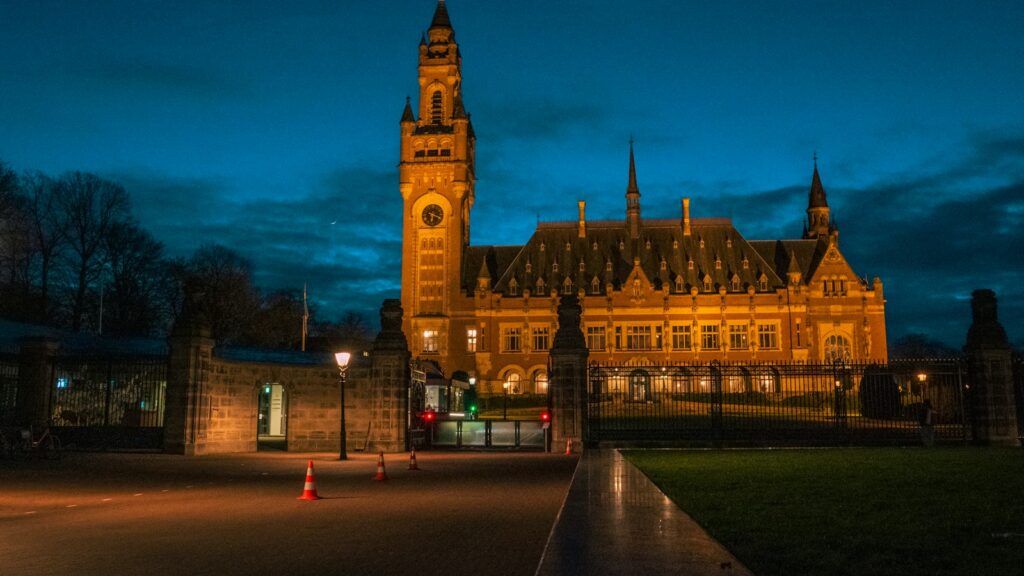
The International Court of Justice (ICJ) will hand down its judgment on Nov 19 in the case accusing Myanmar of genocide against its mostly Muslim Rohingya minority, court officials announced on Nov 3.
The case was brought by The Gambia under the 1948 UN Genocide Convention, which allows any state to act when it suspects genocide is being committed. For seven years, the judges in The Hague have been weighing allegations that Myanmar’s crackdown on the Rohingya violated the convention.
The crackdown by Myanmar’s military and Buddhist militias drove hundreds of thousands of Rohingya into neighbouring Bangladesh, where more than one million now live in the world’s largest refugee settlement. Myanmar has always denied genocide, saying its operations were aimed at insurgents after a series of attacks killed about a dozen security personnel.
At hearings in January, Gambian Justice Minister Dawda Jallow told the court the Rohingya had been targeted for destruction. Ko Ko Hlaing, a minister in Myanmar’s president’s office, rejected the accusations as unsubstantiated.
In 2020, the court ordered Myanmar to take all measures within its power to prevent acts prohibited by the Genocide Convention, and it later dismissed Myanmar’s challenge to its jurisdiction. The ICJ cannot enforce its rulings, but a finding of genocide would add to international pressure on Myanmar’s military government.
Aung San Suu Kyi, who appeared before the court in 2019 to argue there was no genocidal intent, will not be present for the verdict. She has been under house arrest in Naypyidaw since a military coup ousted her government in 2021.
Legal experts are also watching the ruling for clues on how the court may approach South Africa’s genocide case against Israel over the war in Gaza. Separately, the International Criminal Court’s chief prosecutor in 2024 sought an arrest warrant for Myanmar junta chief Min Aung Hlaing over alleged crimes against humanity, and a case is also under way in Argentina under the principle of universal jurisdiction.