
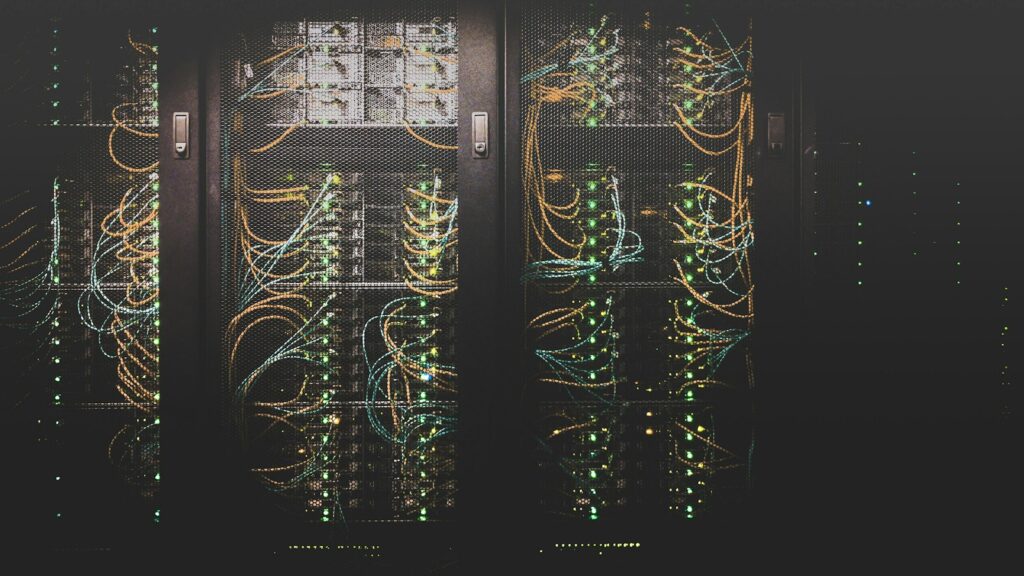
Google plans to invest US$15 billion (RM61.1 billion) in Malaysia over two years from 2027, covering digital infrastructure, the expansion of its data centre campuses, and clean energy and water supply projects.
The plan was announced today by Ruth Porat, president and chief investment officer of Google’s parent company Alphabet, at the Mantap Malaysia Bersama AI programme at Universiti Malaya, in the presence of Prime Minister Anwar Ibrahim. The investment is expected to add an average of US$1.1 billion (RM4.48 billion) a year to Malaysia’s gross domestic product during the construction phase in 2027 and 2028.
Porat said Google planned new energy-efficient data centre campuses in industrial zones in Selangor and Negeri Sembilan, on top of its existing campus at Elmina Business Park in Sungai Buloh. The construction phase is expected to support more than 37,000 local jobs a year, about 6,000 of them in construction, while the completed facilities are projected to sustain more than 9,000 jobs with average wages 45% above the national median.
The company will also help add more than one gigawatt of clean energy capacity to the national grid through a new partnership with Tenaga Nasional Berhad under the Corporate Renewable Energy Supply Scheme. It also plans an off-river water storage pond and a modern water treatment plant able to supply 65 million litres of treated water a day.
Google will fund four new programmes to upskill about 800,000 Malaysians by 2031, covering AI literacy in classrooms, digital tools for local businesses, AI skills for civil servants and training for job seekers who want to work in data centres. It already works with more than 80 local suppliers in areas such as construction, power systems, cooling, logistics, catering and waste management.
Anwar said the investment would strengthen Malaysia’s position as a major digital power in Southeast Asia and create more high-skilled jobs, but foreign investment must also build resilient local industries, develop talent and ensure that energy and natural resources are managed responsibly. “We do not want an AI divide in which only a handful of elites in boardrooms or technology labs benefit while the rest of the people are mere spectators,” he said.